


Because a good intention is not the same as a good wheelchair
We Helped Write It
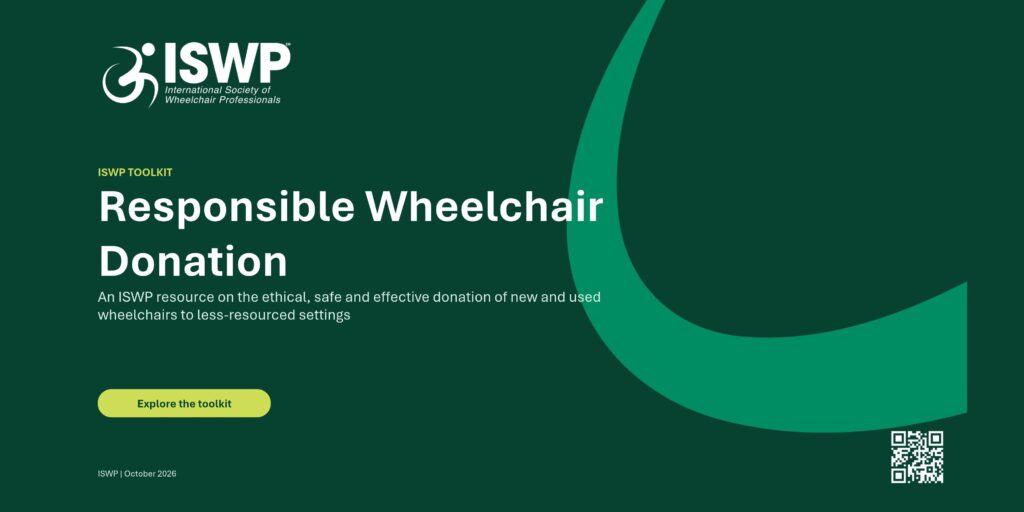
We are incredibly proud to share that the ShonaquipSE team was part of the expert working group that developed the new Responsible Wheelchair Donation toolkit. We worked on it alongside the International Society of Wheelchair Professionals (ISWP) and global sector leaders, and the toolkit was released in October 2026.

Why This Matters
Access to an appropriate wheelchair is fundamental to human rights, health and dignity. Yet for millions of people worldwide, the lack of national provision systems leaves a massive gap in basic mobility.
International donations try to bridge that gap, but uncoordinated or inappropriate donations can cause harm. They can create local waste and stretch under-resourced medical services.
What the Toolkit Says
The 78-page guide is aligned with the World Health Organization’s latest wheelchair provision guidelines. It moves the global focus away from shipping excess inventory and towards a value-based, user-centred approach. In this approach, success is measured by what a wheelchair enables for the person using it: safety, fit, function and participation. It is not measured by how many units are shipped.
The toolkit also treats a wheelchair as a complete mobility system, not just a frame. Cushions, postural support and accessories matter, and so do the assessment, fitting, training and follow-up that make the chair work for the person using it.
Four Stages, One Pathway
We helped build a framework that breaks the operational pathway into four stages:
- Plan: co-design needs assessments with local partners, rather than pushing surplus stock.
- Prepare: use rigorous condition screening and structured refurbishment checklists for pre-owned equipment.
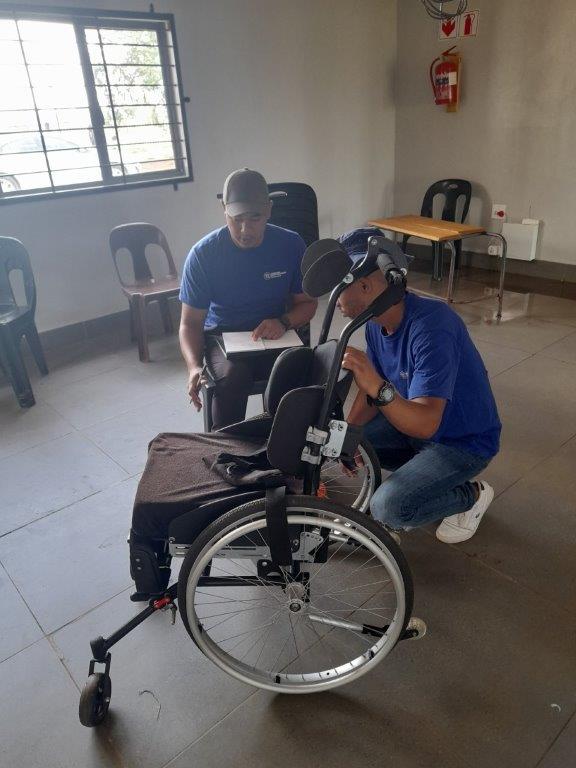
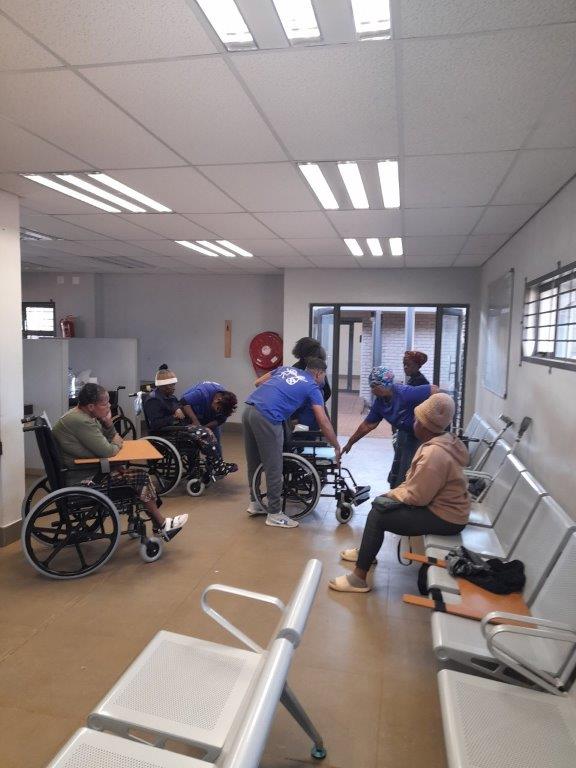
- Provide: make sure every person receives a professional clinical assessment, fitting, user training and formal follow-up.
- Sustain: set up long-term repair infrastructure, spare-part pathways and end-of-life recycling plans.
Practical Tools You Can Use Today
This isn’t just theory. The toolkit includes practical resources for:
- Donors, with a Donor Decision Guide.
- Local service partners, with a Service Partner Readiness Guide.
- Anyone refurbishing or receiving used equipment, with an example first-level wheelchair condition screening checklist.
Whether you are a funder, a product donor, a local NGO or a government authority, these checklists help you build stronger, more sustainable local clinical systems.
Our Experience, Their Impact
Drawing on our hands-on experience in assessment, fitting and rural outreach, it has been an inspiring journey to see this resource come to life.
Real transformation and lasting impact happen when wheelchair providers value each user’s individual needs and keep the communities they work with at the centre of all planning.
Thank You
Thank you to ISWP and all of our incredible co-authors for their dedication to this project. Working together, we will make sure every wheelchair donation empowers its user with safety, function and comfort, and that it is delivered ethically and sustainably.